Social media can supercharge your fundraising, but it works differently than you might expect. Success comes from authentic storytelling and genuine engagement, not from posting constantly or having massive follower numbers.
Here’s how to use social media effectively for your Trials & Tribulations challenge.
Choose your platforms wisely
Best for:
- Longer posts with detailed stories
- Community groups and local networks
- Event pages and group coordination
- Reaching older supporters and family networks
Not so good for:
- Reaching younger audiences
- Visual storytelling
- Viral content spread
Best for:
- Behind-the-scenes photos and stories
- Quick video updates and reels
- Younger supporters and fitness communities
- Visual storytelling about your preparation
Not so good for:
- Detailed explanations or long text
- Reaching non-visual content preferences
- Professional networks
Best for:
- Direct, personal communication
- Small group updates
- Family and close friend networks
- Sharing photos and updates quickly
Not so good for:
- Reaching new audiences
- Public awareness building
- Large-scale promotion
LinkedIn (if relevant)
Best for:
- Professional networks and workplace giving
- Corporate sponsorship approaches
- Reaching career-focused contacts
Not so good for:
- Casual community fundraising
- Visual storytelling
- Frequent updates
Content that actually works
Preparation stories
People love seeing the journey, not just the destination:
- Photos of your first training session with nervous faces
- Videos of participants trying on their challenge clothes
- Shopping trips for appropriate gear
- Group planning meetings with lots of lists and worried expressions
Personal moments
Authenticity beats polish every time:
- Individual participants explaining why they’re doing this
- Honest discussions about nerves and excitement
- Family reactions to your plans
- Moments of doubt alongside moments of determination
Educational content
Help people understand why this matters:
- Simple infographics about refugee statistics
- Stories from your chosen charity about their work
- Connections between your challenge and real refugee experiences
- Information about what different donation amounts can achieve
Progress updates
Keep momentum building:
- Fundraising milestones with genuine celebration
- Training progress and fitness improvements
- Countdown posts building anticipation
- Thank you messages to supporters
Timing your posts
Don’t post constantly
Quality beats quantity. One meaningful post per week is better than daily updates that people ignore.
Consider your audience’s routines
- Family networks: evenings and weekends
- Professional contacts: Tuesday-Thursday during work hours
- Community groups: after evening prayers or weekend mornings
- Younger supporters: evenings and weekend afternoons
Build towards key moments
- Launch announcement
- Halfway fundraising milestone
- One week before challenge
- Day of the challenge
- Results and thank you post
Writing posts that connect
Start with emotion, end with action
“I’m genuinely terrified about crawling through mud in my abaya, but when I think about refugee mothers doing far worse just to keep their children safe… [story]… Please consider sponsoring us at [link].”
Use specific details
Instead of: “Training is going well” Try: “Attempted our first practice obstacle course in the garden. Khadijah got stuck under the washing line for five minutes and we all collapsed laughing. Still can’t believe we’re doing this!”
Show vulnerability
“Half our group is having second thoughts after seeing the assault course photos. But that’s exactly why we need to do this – stepping outside our comfort zone is the whole point.”
Connect to bigger purpose
“Every blister from training reminds me that we’re preparing for something meaningful. While we choose this discomfort for a few hours, refugees face it daily without choice.”
Visual content ideas
Before photos
- Group shots of participants looking nervous but determined
- Individuals in their challenge clothing
- Training equipment and preparation materials
- Maps and planning documents
Training documentation
- Practice sessions in parks or gardens
- Fitness preparation and exercise routines
- Shopping for appropriate gear
- Group planning meetings
Educational visuals
- Simple graphics showing what donations achieve
- Maps showing where your charity works
- Statistics about refugee situations (not overwhelming)
- Photos from your charity’s work (with permission)
Behind-the-scenes
- Honest reactions to seeing obstacle course photos
- Discussions about logistics and planning
- Family reactions and support
- Moments of doubt and encouragement
Building engagement
Ask questions
- “What would you find most challenging about this?”
- “Have you ever done anything that scared you for a good cause?”
- “What causes matter most to your family?”
Respond to comments
- Thank everyone who engages
- Answer questions promptly and personally
- Share additional information when people show interest
- Keep conversations friendly and inclusive
Share others’ content
- Repost your charity’s content with your own commentary
- Share relevant refugee awareness posts
- Highlight other community charitable efforts
- Cross-promote between participants’ individual accounts
Platform-specific strategies
Facebook tactics
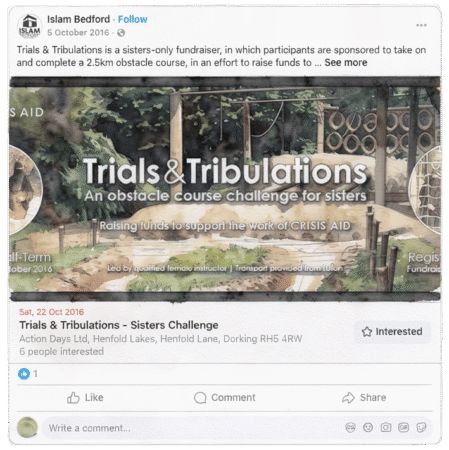
- Create an event page for supporters to follow
- Post in relevant community groups (respectfully)
- Use Facebook’s fundraising tools if appropriate
- Share longer-form stories and updates
Instagram approaches
- Use relevant hashtags (#charity #community #refugees #challenge)
- Post regular story updates for close followers
- Create highlight reels of your preparation journey
- Share quick video messages from participants
WhatsApp strategies
- Create a supporters’ group for regular updates
- Share photos and videos immediately after key moments
- Use broadcast lists for wider but personal communication
- Forward encouraging messages and milestone celebrations
What not to do
Don’t be pushy
Avoid:
- Posting the same fundraising link repeatedly
- Guilt-tripping people who haven’t donated
- Comparing your cause to others
- Making demands rather than requests
Don’t overshare
Avoid:
- Posting multiple times daily
- Sharing every single training session
- Overwhelming followers with too much detail
- Boring people with administrative updates
Don’t be fake
Avoid:
- Pretending everything is easy when it’s not
- Using stock photos instead of real moments
- Copying other groups’ content word-for-word
- Making claims you can’t back up
Measuring success
Engagement matters more than reach
- Comments and shares show genuine interest
- Direct messages often lead to donations
- Quality conversations build lasting support
- Small, engaged audiences outperform large, passive ones
Track what works
- Which posts generate the most response
- What times get the best engagement
- Which platforms drive actual donations
- What content people share most often
Don’t obsess over numbers
- Focus on meaningful connections over follower counts
- Value quality engagement over viral reach
- Remember that your most important supporters might not be social media users
- Keep the bigger picture in mind – this is about helping refugees, not building social media presence
After your challenge
Share the results
- Total amount raised with genuine celebration
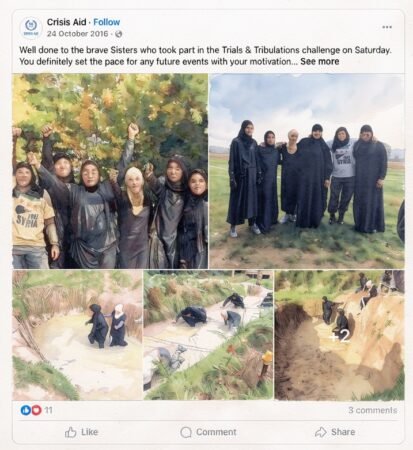
- Photos from the challenge (with participant consent)
- Thank you messages to all supporters
- Updates on how the money will be used
Maintain momentum
- Continue following your charity’s work
- Share updates on impact and outcomes
- Keep supporters engaged for future community activities
- Use your platform to raise awareness about ongoing refugee issues
Learn and improve
- Review which content worked best
- Ask supporters for feedback on your approach
- Document lessons learned for future fundraising
- Share successful strategies with other community organisers
Integration with other promotional efforts
Cross-platform consistency
- Use similar messaging across all platforms
- Coordinate timing of major announcements
- Share content between platforms appropriately
- Maintain consistent visual branding
Combine online and offline
- Share social media content at community gatherings
- Use QR codes to connect offline supporters to online content
- Document offline activities for social media sharing
- Create bridges between digital and real-world communities
Support individual participants
- Help participants create their own effective posts
- Share content between group and individual accounts
- Provide templates and suggestions for personal posting
- Celebrate individual participants’ social media successes
Remember, social media is just a tool. Your passion, authenticity, and genuine commitment to helping refugees are what will really connect with people. Use these platforms to share your story honestly and invite others to join you in making a difference, but don’t let social media management overwhelm the real purpose of your challenge.
The most successful social media fundraising happens when people forget they’re seeing a “campaign” and instead feel like they’re being invited into something meaningful by friends they trust and admire.