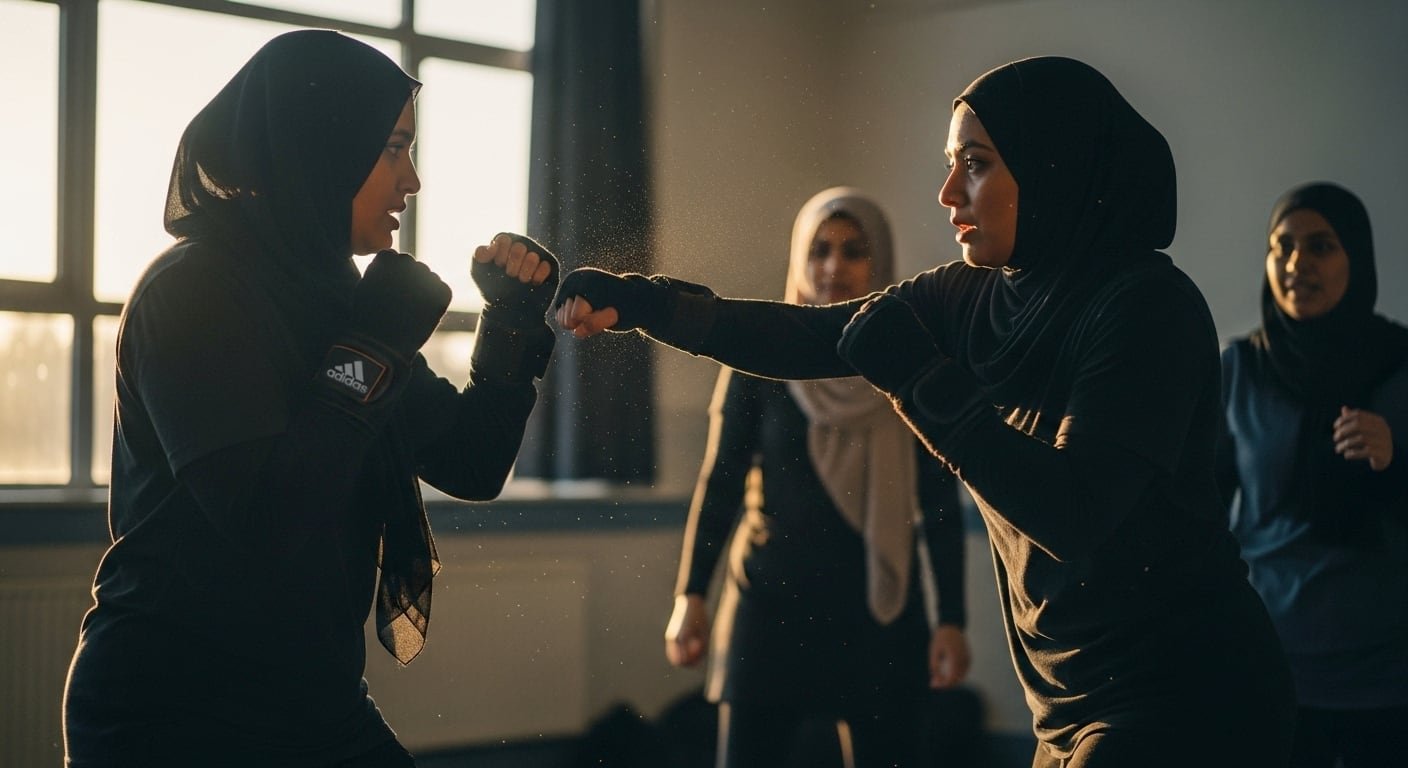
As a challenge leader — whether you’re an alimah, madrasah teacher, or simply someone who leads by example in your community — you might not see yourself as the “fitness type.” Your days are filled with teaching, caring for others, and serving your community, not with gym sessions or training routines.
But here’s the wonderful news: you don’t need to be a fitness enthusiast to lead a Trials & Tribulations challenge. With some simple preparation and steady steps, you can build the stamina and confidence to guide your group through this exciting adventure.
This guide offers practical advice to help you get challenge-fit, so you can focus on what matters most: supporting and encouraging the women in your care.
Start small: building a foundation
If exercise hasn’t been part of your routine, there’s no need to feel overwhelmed. Small, manageable steps will help you build a solid foundation without disrupting your busy schedule.
Gentle walking
Walking is one of the most accessible ways to build endurance. Aim for 15-20 minutes a few times a week at a comfortable pace. Once this feels manageable, add another 5 minutes each week and gradually pick up the pace.
This simple habit will strengthen your stamina without demanding too much time or energy from your already full days.
Light stretching
Stretching keeps your muscles flexible and helps prevent injury. After each walk, spend 5-10 minutes doing gentle stretches for your legs, arms, and back. Try touching your toes, shoulder rolls, and reaching your arms overhead.
These moments of care for your body will help you recover and feel good after each session.
Bodyweight exercises
You don’t need any equipment or a gym membership to start building strength. A few times a week, try these straightforward exercises:
Wall press-ups: Stand facing a wall, place your hands on it at shoulder height, and push yourself off. Start with 5-10 repetitions. This gently builds arm strength.
Chair squats: Sit down on a chair, then stand back up without using your hands. Do 10 repetitions. This strengthens your legs and prepares you for the movements you’ll need on the course.
Preparing for the course
The Trials & Tribulations challenge includes various obstacles, but you don’t need to train intensively. A little variety in your routine will help you feel more prepared.
Step-ups
Find a sturdy step or bench and practise stepping up and down. This exercise strengthens your legs and mirrors movements you’ll encounter on the course. Begin with 1-2 minutes and gradually work up to a few minutes at a time. It’s excellent for stamina and balance, and requires no special equipment.
Arm movements with water bottles
You don’t need weights to build strength. Take two water bottles and hold one in each hand. Lift them above your head, then bring them down in front of you. Repeat 10 times. This simple movement builds shoulder strength without strain.
Supporting your energy with healthy habits
What you eat can make a real difference as you begin exercising. Small adjustments can help you feel energised without requiring dramatic changes to your routine.
Eat balanced meals
Focus on balanced meals with a mix of protein, carbohydrates, and healthy fats. Simple sources like eggs, wholegrain bread, and fruits work well. Protein helps with muscle recovery, carbohydrates provide energy, and healthy fats keep you satisfied longer.
Stay hydrated
Water is essential for feeling good, especially as you increase your activity. Aim to drink a little extra water each day. If plain water doesn’t appeal, add a slice of lemon or cucumber for flavour. Being well-hydrated will help you feel energised, particularly on the day of the challenge.
Building mental confidence
Taking on something new can feel daunting, especially when you’re responsible for leading others. These approaches will help you maintain a positive outlook as you prepare.
Celebrate each step
Every bit of progress matters, so acknowledge your efforts. Whether it’s completing a short walk or managing a few extra wall press-ups, take a moment to recognise what you’ve achieved. These small victories will keep you motivated and remind you of your progress.
Focus on the experience
This challenge is about creating a memorable experience for your group, not about athletic perfection. Remember that you can go at your own pace, and your participants will too. This event offers a chance for everyone to try something new, share laughter, and create lasting memories together. Let go of any pressure and embrace the adventure.
Draw on your leadership experience
You already know how to guide, encourage, and support others through challenges. The skills you use every day in teaching and community work — patience, encouragement, and steady presence — are exactly what you’ll need on the course. Trust in the leadership abilities you’ve already developed.
On the day itself
When the day of the challenge arrives, focus on pacing yourself and enjoying the experience with your group. Remember, you’ll be modelling active roleplay throughout, helping participants to understand what it might be like to be a refugee. Your role is to encourage and support your group, not to prove anything about your fitness level.
A final word of encouragement
As a challenge leader, you’re offering your community something valuable: an opportunity to try something different, to push boundaries in a supportive environment, and to build confidence together. Your willingness to step forward and lead is what matters most.
With each small step in your preparation, you’re not only building your own strength and stamina — you’re also setting an example of courage and determination for the women you’ll be guiding. The challenge is as much about the shared experience and the memories you’ll create as it is about the physical course itself.
So take it one step at a time, be patient with yourself, and remember why you’re doing this: to serve, support, and inspire the women in your care. That’s the heart of leadership, and you’re already well-equipped for it.