Getting the packing right can make or break someone’s challenge experience. Your participants need to bring enough to stay safe and comfortable, but not so much that they’re carrying unnecessary weight. Here’s how to guide them through packing decisions that will serve them well.
The essential rucksack
Size matters
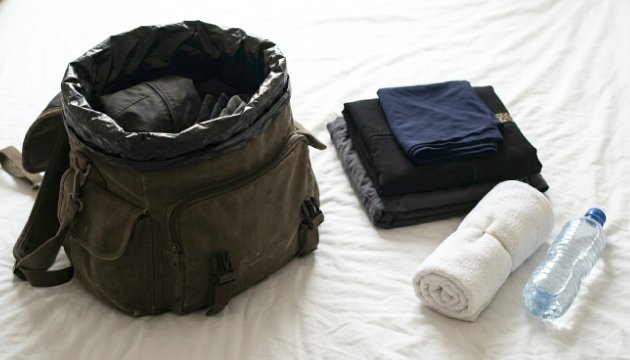
Tell participants to aim for a 20-30 litre rucksack, big enough for essentials but not so large it becomes a burden. They’ll be carrying this through the trek and potentially during obstacles, so every item needs to earn its place.
Features to look for
- Padded shoulder straps: Essential for comfort during long carries
- Chest strap: Helps distribute weight and keeps the bag secure
- Water-resistant: Protects contents even before they reach water obstacles
- Multiple compartments: Makes finding items easier when tired and muddy
The waterproofing system
Double-bag everything
This is absolutely critical. Explain to participants that they must:
- Put their complete change of clothes in a strong bin bag
- Tie it securely with minimal air inside
- Check for holes or weak spots
- Consider using two bin bags for extra security
Why this matters
- Wet clothes at the end of a challenge can be dangerous
- Clean, dry clothes are essential for the journey home
- Waterlogged items become heavy and unmanageable
- A failed waterproofing system can ruin the whole experience
Test it first
Suggest participants test their waterproofing system in the bath or shower before the challenge.
Essential clothing to pack
Complete change of clothes
- Fresh underwear: Including a clean, dry sports bra
- Warm, comfortable clothing: For the journey home
- Extra socks: Clean, dry feet make a huge difference to comfort
- Spare hijab: With pins and any accessories needed
- Warm outer layer: Jumper or jacket for after the challenge
Footwear considerations
- Clean, dry shoes: For the journey home
- Extra socks: Cannot be emphasised enough
- Flip-flops or slides: Easy to put on with wet/muddy feet if needed
Personal care and comfort items
Hygiene essentials
- Wet wipes: For initial cleanup before changing
- Small towel: Quick-drying microfibre works best
- Deodorant: Small travel size
- Hair ties/clips: For managing hair during and after the challenge
- Basic toiletries: Toothbrush, toothpaste, face wash
Comfort items
- Plasters: For blisters or small cuts
- Paracetamol: If they normally use it for aches and pains
- Prayer mat: Lightweight prayer mat or something similar to pray on.
- Water for wudu: a bottle of water specifically for ablutions
Technology and documentation
Phone protection:
- Waterproof case: Essential if bringing phone
- Portable charger: Lightweight power bank if needed
- Emergency contacts: Written down separately in case phone fails
Consider leaving behind:
Many participants find it freeing to leave phones at home or with supporters, focusing entirely on the experience itself.
Money and identification
Essential documents:
- Photo ID: In case of emergency
- Emergency medical information: Including allergies and medical conditions
- Emergency contact details: For organisers and family
- Small amount of cash: For genuine emergencies
Keep documents dry:
- Waterproof document wallet: Or sealed plastic bag
- Multiple copies: Of essential information stored separately
What NOT to bring
Avoid these common mistakes:
- Valuable jewellery: Will get lost or damaged
- Multiple changes of clothes: One is enough and saves weight
- Heavy books or unnecessary items: Every gram counts
- Expensive electronics: Risk of damage is very high
- Lots of food: They’ll be fasting during the challenge
- Excessive toiletries: Travel sizes only
Special considerations for overnight challenges
Sleeping arrangements:
- No sleeping bag or pillow: Part of the challenge experience
- Just the rucksack: As a pillow, so pack accordingly
- Warm layers: If sleeping arrangements will be cold
Extended needs:
- Additional hygiene items: For morning routines
- Breakfast contribution: As agreed with organisers
- Evening meal contribution: Following the meal planning system
Packing strategy session
Organise a group packing session
A week before the challenge, have participants bring their packed rucksacks to check:
- Weight check: Can they carry it comfortably for extended periods?
- Waterproofing test: Have they sealed everything properly?
- Essentials check: Have they forgotten anything critical?
- Overpacking check: Can they remove anything unnecessary?
Practice carrying:
- Have participants wear their packed rucksacks for 20-30 minutes
- Include walking around and basic movements
- Check that straps are comfortable and secure
- Adjust packing if needed
Food and meal contributions
For overnight challenges
Remind participants about their meal contributions:
- What they’re bringing: Specific dish assigned to avoid duplication
- Serving size: Enough for the number of participants
- Storage requirements: Will it need refrigeration or heating?
- Dietary requirements: Ensuring all participants can eat it
Avoid duplication
- Use a simple spreadsheet: To track who’s bringing what
- Coordinate in advance: Don’t leave it to chance
- Plan backup options: In case someone can’t fulfill their commitment
Weight management tips
Pack light but smart
- Choose multi-use items: Items that serve multiple purposes
- Share group items: Coordinate with others to avoid everyone bringing the same things
- Prioritise essentials: Clean, dry clothes are more important than multiple comfort items
- Test the weight: Make sure they can carry it when tired
Distribution strategy
- Heavy items close to back: Better weight distribution
- Frequently needed items accessible: Without unpacking everything
- Waterproofed items in main compartment: Keep dry items protected
- Emergency items in side pockets: Easy access if needed
Individual needs assessment
Medical considerations
Help participants think about:
- Regular medications: Packed securely and kept dry
- Inhaler or medical devices: If needed for asthma or other conditions
- Allergy medications: Including antihistamines if relevant
- Contact lens supplies: If they wear contacts
Final check process
Give participants a simple checklist to work through:
- □ Complete change of clothes in waterproof bag
- □ Clean, dry footwear
- □ Prayer mat and wudu water
- □ Basic toiletries and wet wipes
- □ Essential documents in waterproof wallet
- □ Any medications needed
- □ Meal contribution (if applicable)
- □ Emergency contact information
Suggest participants pack 24 hours before the challenge, then review their packing with fresh eyes to catch anything they’ve missed or can remove.
Managing different experience levels
First-time participants
- Provide more detailed guidance: They won’t know what to expect
- Pair with experienced participants: For advice and support
- Check their packing more thoroughly: To avoid basic mistakes
- Reassure about unknowns: It’s normal to feel uncertain
Experienced participants
- Let them guide newcomers: Share their knowledge
- Ask for feedback: On packing recommendations
- Use their experience: To improve guidance for others
- Avoid over-packing confidence: Experience can lead to bringing too much
Emergency preparations
Group emergency items
Coordinate so that collectively the group has:
- Basic first aid supplies: Shared among confident participants
- Emergency contact information: For all participants
- Backup waterproofing: Extra bin bags for failed systems
- Group emergency fund: Small amount for unexpected needs
Individual responsibility
Each participant should understand:
- Their own medical needs: And pack accordingly
- Emergency procedures: What to do if separated from group
- Contact information: For organisers and emergency services
- Personal limits: When to ask for help
Remember, the goal is to help participants feel prepared and confident, not overwhelmed. Focus on the essentials that will keep them safe and comfortable, while emphasising that the challenge is about stepping outside comfort zones. They don’t need to pack their entire lives into a rucksack!