Two weeks before your challenge is the perfect time to have a detailed conversation with participants about clothing. This isn’t just about practicality; what they wear is central to the challenge’s meaning. Here’s how to guide them through these important decisions.
The core requirement
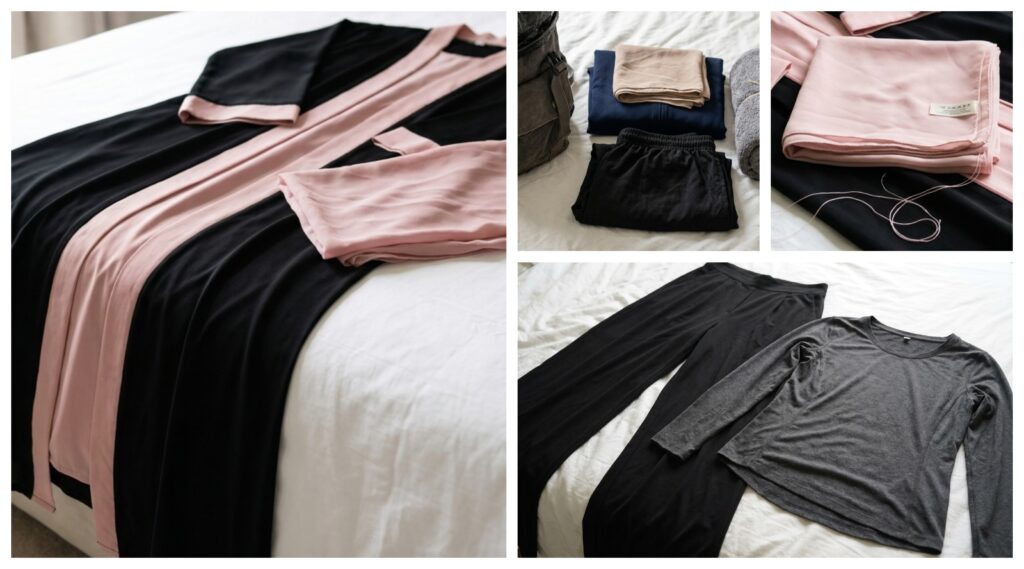
Participants are asked to arrive for the gathering on Friday dressed as they would for a halaqa or study circle. That is, modest muslim dress worn over a suitable base layer. These are the clothes they will sleep in, walk in, and take onto the assault course, and they will not change until after the course is complete.
Embodied solidarity
Explain to participants that wearing full modest dress isn’t an obstacle to overcome but an integral part of the challenge. It is an act of embodied solidarity with refugee women who don’t have the luxury of choosing appropriate dress when setting out on much more difficult journeys.
Safety through preparation
The right clothing choices can mean the difference between a challenging but manageable experience and a genuinely dangerous one. Help participants understand that this isn’t about making things harder for the sake of it, but about being properly prepared.
Building confidence
Many participants will be nervous about combining physical challenges with modest dress. Your briefing should help them feel confident that it’s not only possible but can be empowering. By maintaining modest dress throughout, participants connect more deeply with the reality they’re representing.
Layering to recommend
Base layer
Tell participants to start with:
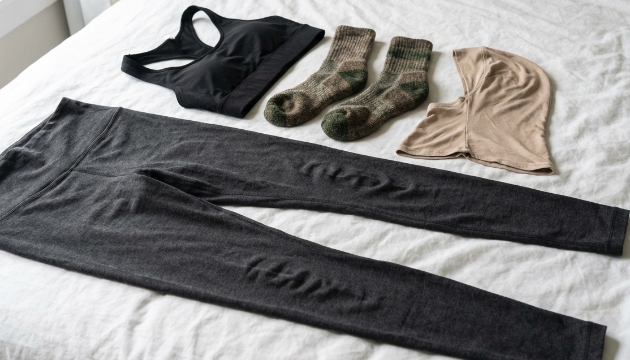
- Sports bra: Essential for comfort and support during physical activity
- Running leggings: Moisture-wicking, comfortable, and providing coverage under outer garments
- Under scarf: Help to preserve modesty under outerwear
Inner layer
Recommend adding:
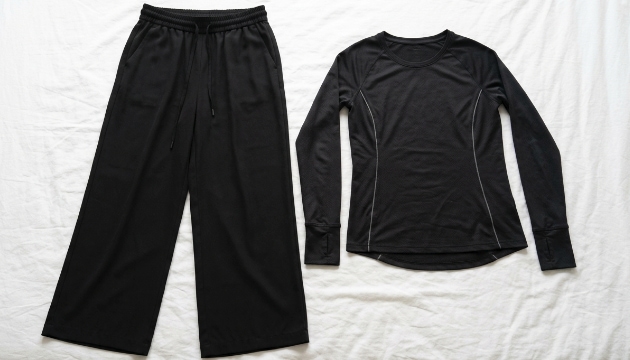
- Loose black trousers: Pallazo pants or similar worn over leggings for extra modesty and protection
- Long-sleeved top: Lightweight, breathable material that can get muddy without exposing the base layer
Outer layer
The key garment should be:
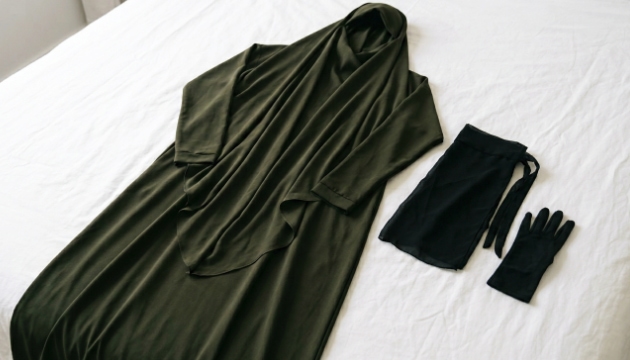
- Lightweight abaya or jilbab: Made of a synthetic material that won’t become too heavy when wet
- Appropriate hijab: Securely fastened hijab or one-piece khimar that won’t shift during activity
Fabric choices that work
Recommend these materials:
- Polyester blends: Quick-drying, lightweight, and durable
- Synthetic materials: Won’t become impossibly heavy when wet
Advise against:
- Heavy cotton: Absorbs water and becomes very heavy
- Pure natural fibres: Often don’t perform well when wet and muddy
Addressing concerns
Start with the bigger picture
“This isn’t a fitness event. It’s an act of solidarity. Refugees don’t get to choose appropriate hiking gear, so neither do you. You’re putting yourself in their shoes.”
Address concerns directly
Many participants will wonder:
- “Will I be able to move properly?”
- “What if my clothes get ruined?”
- “Will I look ridiculous?”
- “Is this actually safe?”
Be ready to address these concerns with practical solutions and reassurance.
While the challenge requires modest dress, participants can choose styles that work for them within these guidelines.
Footwear guidance
Essential features
- Old trainers: Feet will get wet and muddy
- Good ankle support: Uneven terrain and obstacles require stability
- Decent grip: Mud and wet surfaces are slippery
- Comfortable fit: They’ll be walking and active for hours
Practical options
- Walking boots: If they have them and don’t mind them getting very muddy
- Wellies with good treads: Often the most practical choice
- Old trainers: Fine if they accept they’ll likely be ruined
- Trail running shoes: Good compromise between grip and comfort
What to avoid
- New or expensive shoes they want to preserve
- Sandals or open-toed shoes
- Shoes with poor grip or ankle support
- Anything too tight or uncomfortable for extended wear
Hijab considerations
Help participants choose hijab styles that will stay in place:
- One-piece khimar or instant hijab: Easy to secure
- Tight-fitting underscarves: Provide security under outer hijab
- Minimal pins: Reduce risk of loss or injury
- Backup options: Suggest bringing spare hijabs/pins in their bag
Practical tips to share:
- Practice the style beforehand during training
- Consider how it will feel when wet and potentially muddy
- Think about easy adjustment if needed during the challenge
- Plan for post-challenge hijab change
Size and fit considerations
Avoid too loose or too tight:
- Too loose: Can catch on obstacles or become cumbersome when wet
- Too tight: Restricts movement and can be uncomfortable during extended activity
Recommend the middle ground:
- Fitted enough to move freely
- Loose enough to maintain modesty and comfort
- Secure enough not to shift during activity
Shopping guidance
Budget considerations:
- Acknowledge that buying challenge-specific clothing costs money
- Suggest sharing or borrowing where appropriate
- Focus on finding adequate rather than perfect options
Where to shop:
- Sports shops for base layers
- Modest fashion retailers for outer garments
- Charity shops for items they don’t mind getting muddy
Managing expectations
Be honest about the realities:
- Their clothes will get wet and muddy
- Some items might be permanently changed by the experience
- Wet modest clothing can feel heavy and cumbersome
- They might need to adjust or secure items during the challenge
- The discomfort is temporary but the sense of achievement will last
Support for nervous participants
Address specific worries:
- “I’ll look ridiculous”: Emphasise that they’ll look courageous and committed
- “I can’t afford new clothes”: Encourage wearing what they have or borrowing
- “What if I can’t do it in these clothes”: Share examples of others who’ve succeeded
- “My family will think I’m crazy”: Help them explain the meaningful purpose
Provide practical support:
- Pair nervous participants with confident ones for shopping or planning
- Share photos/videos of similar challenges being completed in modest dress
- Offer to practice together in their chosen outfits
- Reassure them that the group will support each other throughout
Documentation and sharing
Photo opportunities
- Group photos in challenge clothing (before getting muddy)
- Individual participants in their chosen outfits
- Behind-the-scenes clothing preparation
- Shopping trips and planning sessions
Respect privacy
- Always get permission before taking or sharing photos
- Be sensitive to different comfort levels with publicity
- Offer opt-out options for any documentation
- Focus on those who are happy to share their experience
Remember, this clothing briefing is about much more than just practical preparation. You’re helping participants understand that their choice to maintain modest dress while taking on physical challenges is meaningful, powerful, and inspiring.
The right preparation and mindset can turn what might seem like an obstacle into one of the most meaningful aspects of their experience.