The hunger that connects
Among all the elements that comprise Trials & Tribulations — the overnight gathering, the pre-dawn departure, the muddy obstacles, the modest dress maintained through difficulty — perhaps none carries more spiritual weight than the fast. Your participants will walk miles whilst their stomachs empty, will climb and crawl and push through exhaustion whilst thirst builds and energy drains, will discover what their bodies can endure when fuel is deliberately withheld.
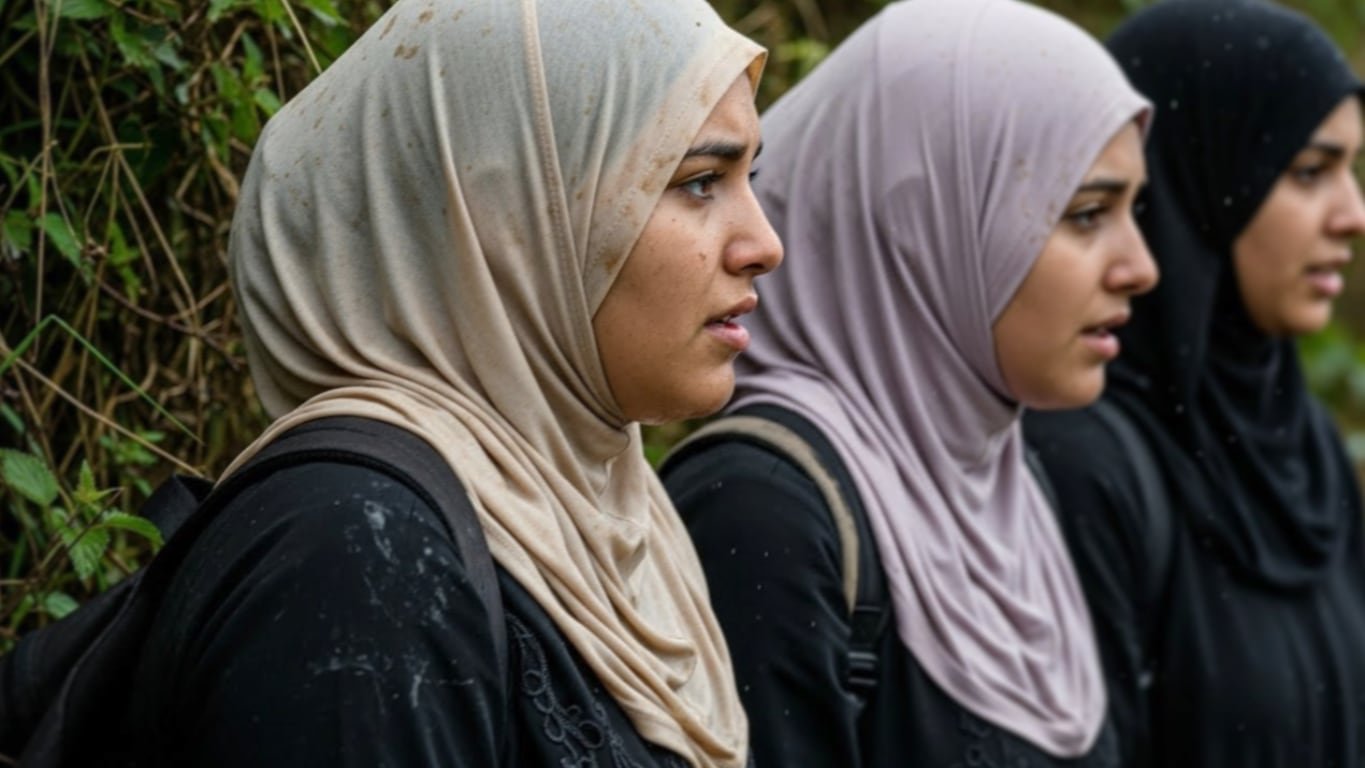
This is not arbitrary difficulty added for the sake of making things harder. This is solidarity made visceral, empathy written in the body’s own language of deprivation and endurance. Refugee women often walk vast distances with little to eat, their children hungry beside them, their bodies running on reserves that should have been depleted days ago. Your participants will taste the smallest measure of this reality — a single day’s fast compared to the chronic hunger of displacement, hours of chosen difficulty against months or years of unchosen deprivation.
Yet even this small taste teaches what sympathy alone cannot convey. The fast transforms the challenge from physical test to spiritual journey, from athletic endeavour to embodied prayer. As organisers, you must help participants understand both the practical realities of fasting during exertion and the deeper meanings it unlocks.
What the body experiences
Be honest with your participants about what fasting will demand. Their bodies will respond in ways that may surprise those accustomed to fuelled exercise, and foreknowledge prevents panic when expected changes arrive.
Energy will shift as the fast progresses. The body burns through its readily accessible fuel — glycogen stored in muscles and liver — within hours. Once these stores deplete, the body must turn to fat reserves, a slower-burning source that sustains endurance but dulls the sharp edge of quick energy. Participants may notice their usual pace feeling more laboured, their legs heavier, their breathing requiring more conscious attention. This is normal, expected, the body adapting to scarcity by burning what remains.
The sensation differs markedly from exercising in a fed state. There is a particular quality to moving whilst empty: a lightness paradoxically accompanied by weakness, a clarity that coexists with fatigue. Some participants describe heightened awareness of their bodies’ signals, as though fasting strips away the noise that usually obscures the conversation between mind and muscle, between will and limitation.
Thirst may prove more challenging than hunger. The body can manage hours without food more easily than without water, especially during physical exertion. Participants will feel their mouths drying, their lips cracking, their throats growing scratchy. This discomfort serves the challenge’s purpose — refugee women walk with water scarce or contaminated, their children crying from thirst they cannot slake — but it requires management to remain within safe bounds.
As the day progresses and the fast continues, cortisol rises: the body’s stress hormone responding to both deprivation and exertion. This elevation is natural but intensifies fatigue, makes recovery slower, increases the sense of being taxed beyond normal limits. Combined with the challenge’s physical demands, participants may feel genuinely depleted in ways their usual exercise never produces.
Preparing participants for reality
Your role includes ensuring that sisters enter the challenge with realistic expectations and appropriate preparation. Fasting during Trials & Tribulations is not dangerous for healthy participants, but it does require planning, awareness, and respect for the body’s signals.
Encourage training that mimics the challenge’s conditions. Most participants will have experience with fasting — through Ramadan and voluntary fasts — but may not have previously combined fasting with sustained physical effort. Suggest they attempt shorter walks or lighter obstacles whilst fasting in the weeks before the challenge, allowing their bodies to adapt, teaching them what their own particular limits feel like.
Timing matters greatly. The challenge begins Friday evening and continues through Saturday, with participants fasting from before dawn until sunset. Help them understand the importance of suhoor, that final pre-dawn meal that becomes their fuel for the entire day. It should be substantial but not heavy, rich in complex carbohydrates and proteins that release energy slowly, foods that sustain rather than spike and crash. Dates, oats, nuts, eggs: these traditional suhoor choices exist for good reason, providing steady fuel that honours both the body’s needs and the fast’s demands.
Equally crucial is what happens after iftar, after the fast breaks at sunset and participants can finally drink and eat. They should hydrate gradually rather than gulping water desperately, reintroduce food gently rather than overwhelming digestive systems that have rested all day. Their bodies will be depleted — glycogen stores empty, muscles fatigued, stress hormones elevated — and recovery requires patience with the process of replenishment.
The spiritual dimension fasting unlocks
These practical considerations, essential though they are, touch only the surface of what fasting offers during the Trials & Tribulations challenge. The deeper teaching arrives through the emptiness itself — what it reveals, makes space for, what truths become audible when the body’s usual noise quiets.
Fasting strips away distraction. When the stomach is full, when thirst is slaked, when comfort cushions us from discomfort, we can occupy ourselves with countless diversions from what matters most. But when hunger gnaws and thirst builds and the body’s needs grow loud, suddenly there is nowhere to hide from ourselves. The fast forces participants to meet their own edges, to discover what remains when fuel and comfort are withdrawn.
Many will find that they are stronger than they believed. The body carries reserves beyond what the mind assumes possible. When participants feel their energy flagging and yet continue walking, when they want to stop but choose to persist, when they complete obstacles they were certain they could not manage, they discover a truth that reshapes understanding: I am capable of more than I knew. This knowledge, earned through the body’s own testimony, cannot be taken away.
Others will meet genuine limitations and learn different lessons — equally valuable, perhaps more so. Not everyone will complete the full challenge. Some will need to modify their participation, to honour what their bodies tell them about safety and wisdom. This too is teaching: knowing when to push through discomfort and when to respect true limits, understanding that strength includes knowing when enough is enough.
The fast also opens participants to the spiritual dimension that undergirds everything. In Islamic tradition, fasting is not merely abstinence from food and drink but a comprehensive spiritual practice: restraining the tongue from gossip and complaint, the eyes from what should not be seen, the heart from what distances it from Allah. During Trials & Tribulations, this expanded understanding of fasting becomes visceral.
Participants must restrain complaints even when discomfort mounts, must control their responses to difficulty, must choose patience when frustration beckons. They must turn inward repeatedly throughout the day, checking not just “Can my body continue?” but “Why am I doing this? What am I learning? Where is Allah in this experience of chosen hardship?”
The emptiness created by fasting becomes space where the Divine can enter. This is the fast’s deepest gift: not the discipline of abstinence itself but what that discipline makes room for. When we are not constantly feeding the body, we remember to feed the soul. When physical hunger reminds us of our neediness, we recognise our deeper hunger for meaning, purpose, and connection to something beyond ourselves.
Refugees’ hunger, participants’ taste
Help your participants understand that their one-day fast, difficult though it feels, remains infinitely smaller than what refugees endure. They fast by choice, knowing iftar waits at sunset, knowing they will sleep in their own beds that night and wake to breakfast the next morning. Their fast has boundaries, endpoints, the certainty of relief.
Refugee women walk whilst hungry not knowing when next they will eat. Their children cry for food they cannot provide. They ration whatever scraps they carried, making impossible calculations about who needs it most, how to stretch it furthest, whether to eat today or save it for tomorrow when they might be weaker still. Their hunger has no sunset blessing its conclusion, no community gathering to break fast together, no assurance that sustenance awaits.
Yet even this vast difference in scale and certainty does not negate what your participants will learn. The point is not to claim equivalence — “Now we know what refugees experience” — but to create connection, to build a bridge from comfortable ignorance to uncomfortable awareness. To move from knowing abstractly that refugees go hungry to feeling in their own bodies what even mild, temporary hunger does to strength and focus and mood.
This tasting — small, safe, chosen — creates empathy that pure information cannot generate. When participants break their fast at sunset and feel the relief of water on parched tongues, of food entering empty stomachs, of bodies beginning the process of recovery, they will understand something new about what refugees long for and often cannot access. That understanding, carried forward into their comfortable lives, has the potential to reshape priorities, to make them advocates rather than merely sympathisers.
Guiding them through
As organisers, you bear responsibility for participants’ wellbeing whilst honouring the challenge’s purpose. This balance requires wisdom: pushing them toward genuine difficulty without endangering them, respecting the fast’s spiritual significance without being reckless about physical realities.
Ensure medical support is available throughout the challenge. Have protocols in place for participants who need to break their fast early due to dangerous symptoms, such as severe dizziness, confusion, loss of coordination. Make clear that there is no shame in this, that safety supersedes completion, that the challenge serves them rather than them serving the challenge.
Provide water, making hydration available the moment the fast concludes. Have simple, easily digestible foods ready: dates traditionally, water, perhaps light soup or fruit. Create space for participants to rest and recover before they travel home, allowing their bodies time to begin replenishment before facing further demands.
But also trust your participants to know their own limits. Brief them thoroughly beforehand, teach them warning signs that require response, then trust them to honour what their bodies tell them. Adult women are capable of self-assessment, of knowing when discomfort remains safe and when it tips toward danger. Your role is to inform and support, not to micromanage or undermine their agency.
The gift of chosen emptiness
When participants complete Trials & Tribulations whilst fasting, they carry away something precious: the visceral knowledge that the body can endure more than comfort suggests possible, that emptiness has its own teachings, that solidarity sometimes requires sacrifice of the literal rather than merely theoretical kind.
They learn that fasting is not weakness but strength of a particular kind: the strength to choose difficulty, to postpone gratification, to honour principles that demand discomfort. They discover that the fast does not diminish them but clarifies them, burning away the inessential to reveal what remains when props are removed.
Most importantly, they taste — however briefly, or safely — something of what refugees must endure not for a day but for indefinite stretches. They walk away from the challenge with bodies that remember hunger’s grip, throats that recall thirst’s insistence, muscles that know the particular exhaustion of moving whilst depleted. These body memories do not fade quickly. They reshape understanding in ways that lectures and documentaries cannot.
This is what you offer participants when you maintain the fast as central to Trials & Tribulations. Not just another difficulty added to the pile, but a portal into empathy, a teacher that instructs through direct experience, a discipline that honours both Islamic tradition and refugees’ reality.
The transformation hunger makes possible
As you prepare sisters for the challenge, help them see fasting not as obstacle to overcome but as integral to the transformation they seek. The hunger and thirst and depletion are not unfortunate side effects but essential ingredients, the very means by which comfortable people can begin understanding uncomfortable realities.
Tell them to expect difficulty but also revelation. Tell them their bodies will protest but will also adapt, will carry them further than seems possible when they begin. Tell them the fast will be hard but that hardness serves purpose — connecting them to refugees who walk whilst hungry, stripping away distraction so truth can emerge, creating the emptiness where the Divine finds space to enter.
Prepare them practically with training and nutrition guidance and realistic expectations about energy and recovery. But also prepare them spiritually, helping them frame the fast not as deprivation they must simply endure but as discipline that teaches, as sacrifice that creates solidarity, as chosen emptiness that paradoxically fills them with what matters most.
When they complete the challenge and break their fast at sunset, when they drink that first sweet water and feel their bodies beginning to recover, encourage them to pause in gratitude. Not just for food and drink restored, though gratitude for these is fitting. But gratitude for what the fast revealed, for what they discovered they could endure, for the bridge it built between their comfortable lives and refugees’ desperate journeys.
That gratitude, that knowledge earned through the body’s own testimony, that empathy created through chosen difficulty: these are the gifts fasting makes possible. These are what you steward when you maintain the fast as central to Trials & Tribulations.
May your guidance help participants honour both their bodies and the challenge’s purpose. May the emptiness they choose teach what comfort keeps hidden. May their hunger connect them to those who hunger not by choice but by displacement’s cruel necessity. May they emerge from the fast knowing themselves as stronger, more capable, more connected to the suffering of others, and may that knowledge reshape how they walk through all their days to come.