The gift of Friday evening
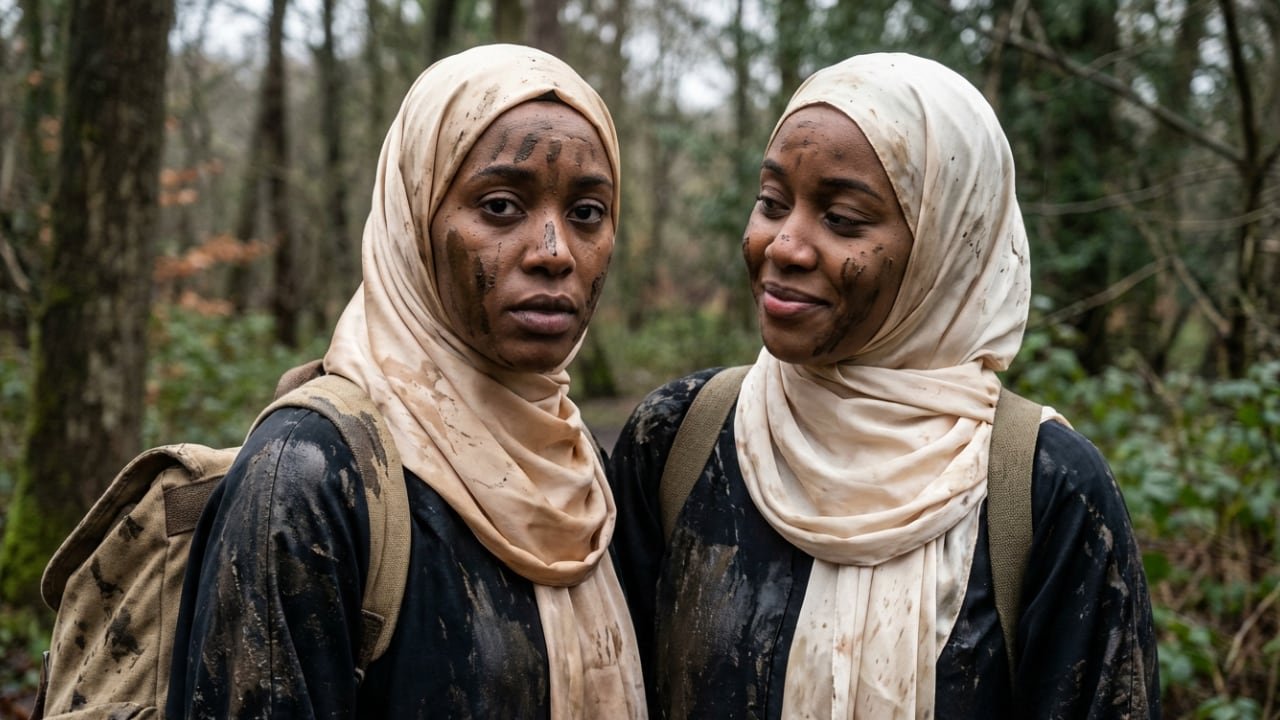
When your participants gather on Friday evening, they arrive carrying the ordinary concerns of daily life: work stresses, family obligations, the countless small anxieties that fill comfortable existence. They know intellectually that tomorrow will be difficult, but the knowledge sits in their heads rather than their bodies. They cannot yet feel the mud that will soak their abayas, the hunger that will hollow their stomachs, the exhaustion that will test their resolve.
This is your moment as spiritual guide. Before the physical trial begins, before their bodies teach what words alone cannot convey, you have the opportunity to plant seeds that will bear fruit when difficulty arrives. The halaqa on Friday evening is not mere preamble to the real challenge; it is foundational, the lens through which participants will interpret everything that follows.
Your role demands more than fitness expertise or logistical competence. This is why faithful sisters must lead rather than those whose sole qualification is athletic ability. The challenge ahead is not fundamentally about physical prowess but about spiritual refinement, about discovering what remains when comfort is stripped away, about recognising trials as teachers rather than punishments.
You must help participants understand the Islamic framework that transforms tomorrow’s difficulties from arbitrary hardship into sacred teaching. This is where the concept of fitna — trial, test, tribulation — becomes your most valuable tool.
Opening the teaching: gold and fire
Begin gently, building toward depth rather than overwhelming with it. Perhaps you open by asking a question: “When refugees flee their homes, when they walk for days with children crying from hunger, when they lose everything they spent lifetimes building — what do you imagine sustains them? What keeps them moving forward when every reason argues for despair?”
Let them consider this honestly. Some may speak of survival instinct, of having no choice. Others might mention hope for safety, love for their children, the human capacity to endure. Receive all responses, acknowledging that these are mysteries we can only approach with humility — we who have never faced such trials cannot claim to fully understand.
Then introduce the metaphor that Islamic tradition offers for understanding why such suffering exists at all: gold refined by fire. Explain how raw ore contains both precious metal and worthless impurity mixed together, indistinguishable to the eye. Only when subjected to intense heat does the gold separate from what is not gold. The fire doesn’t create the gold — it reveals what was always there, burning away everything false until only truth remains.
“Refugees endure fire we can scarcely imagine. Displacement strips away everything — homes, security, dignity, sometimes even family. Yet what remains when all else is taken? Watch how they maintain prayers in refugee camps. Notice how they share the little they have. See how they protect their children’s humanity even when their own is under assault. This is gold revealed by fire — faith, compassion, resilience that could only be exposed through trials we pray we never face.”
Let this image settle. Ask them to sit with it quietly: “Tomorrow you will taste the smallest measure of difficulty refugees endure daily. As you do, watch for what it reveals — not just about yourselves, but about the refugees whose journey you are honouring. What does their endurance through such fire teach us about the human spirit? About faith tested and proven? About what matters most when everything else is stripped away?”
Deepening into fitna
Now you can introduce fitna — a word they may know primarily in its negative connotations, associated with discord or strife. Reclaim its deeper, richer meaning: trial that tests and purifies, difficulty that reveals and refines.
Share the Qur’anic verse that frames everything: “Do people think that they will be left alone because they say: ‘We believe,’ and will not be tested?” (Qur’an 29:2). Let the question hang in the air. Of course they will be tested. Of course difficulty will come. Faith is not insurance against hardship but the means by which we navigate it.
Explain that fitna works like the refining fire — it exposes what is genuine and what is false, not to punish but to purify. When trials arrive, they reveal our true state. Do we trust Allah’s wisdom when life becomes difficult? Do we maintain patience when tested? Do we respond with gratitude even in hardship, recognising that trials are not evidence of Allah’s abandonment but of His attention, His shaping, His careful refinement of what we might become?
Help them see that tomorrow’s challenge is fitna in miniature — a chosen trial that offers what life’s unchosen trials also provide, but in concentrated, manageable form. They will face discomfort, exhaustion, moments when they want to quit. These moments are the fire. What remains when they choose to continue despite wanting to stop? That is the gold being revealed.
The four dimensions of refinement
Guide participants through the ways fitna refines, but always through the lens of what refugee experiences reveal about these processes:
1. Purification through hardship
Tomorrow participants will be uncomfortable — muddy, hungry, tired. But ask them to consider: what do refugees’ responses to far greater hardship teach us about purification? When a refugee mother shares her last piece of bread with someone else’s child, when communities form in camps and strangers become family, when people who have lost everything still bow in prayer — what impurities has their fire burned away? What remains when possessions, security, even homeland are taken?
Tomorrow when discomfort arrives, when complaining threatens to dominate their thoughts, ask them to pause: “What would a refugee woman think of my struggle right now? What does her patience through years of displacement teach me about my capacity to endure a single day’s difficulty?”
2. Revealing inner truth
Refugees cannot hide who they truly are when survival strips away all pretense. Their responses to catastrophic loss — whether they harden or soften, whether they turn inward or reach outward, whether faith sustains them or crumbles — reveal what fire exposes in all of us when tested beyond our limits.
Tomorrow’s mild trial offers a window into this revelation. Participants may discover reserves of strength or meet genuine limitations. Either way, encourage them to consider: “If this small difficulty reveals things about myself I did not know, what must refugees discover about themselves through trials immeasurably harder? What gold in them has been exposed that might have remained hidden in comfortable lives?”
3. Spiritual growth and elevation
The Prophet ﷺ taught that those who suffer patiently are elevated in Allah’s sight. Consider what this means for refugees who maintain faith through unspeakable loss. Their spiritual elevation — invisible to those who see only their material poverty — towers above those who have never been tested.
Tomorrow when participants choose to continue despite wanting to stop, frame it not as personal achievement but as the tiniest echo of what refugees must do every day: choosing faith over despair, choosing to care for children when they themselves are broken, choosing to believe in mercy when circumstances argue only for bitterness.
“Your one day of chosen difficulty cannot compare to their years of unchosen suffering. But perhaps it helps you recognise the spiritual strength their endurance requires, and the elevation they earn through patient faith that we, in our comfort, might never achieve.”
4. Testing authenticity
Fitna distinguishes genuine faith from superficial adherence. Refugees face this test constantly: when humanitarian aid fails to arrive, when host countries treat them with contempt, when years pass and home remains impossibly distant. Do they maintain prayers? Do they still see Allah’s mercy? Do they preserve their humanity when the world has stripped them of dignity?
Tomorrow will test participants’ authenticity on a much smaller scale, but the principle holds. What keeps them moving forward when easier options beckon? Let them consider refugees whose faith survives far greater trials: “What does their steadfastness teach me about authentic commitment versus convenient belief? If they can maintain faith through fire I cannot imagine enduring, what does my response to this small difficulty reveal about the depth or shallowness of my own faith?”
Making it personal through solidarity
After presenting these teachings, create space for personal reflection. Perhaps guide them through contemplative questions they consider silently:
“When you hear about refugees losing their homes, walking for days while hungry, watching their children suffer, what prevents you from truly understanding their reality? What distance remains between knowing about their suffering and feeling it as urgent, immediate, demanding your response?”
“Tomorrow you will taste the smallest measure of their hardship. What do you hope this tasting will teach you. not just about yourself, but about them? About what their endurance requires? About what their faith sustains them through?”
“The Prophet Muhammad ﷺ was himself a refugee, fleeing persecution in Makkah. The Hijrah was not merely geographical relocation but a trial that tested and refined the early Muslim community. What does it mean that our Prophet’s story includes displacement, loss of home, the necessity of fleeing to find safety? How does this shape how we should see and respond to today’s refugees?”
“When tomorrow grows difficult and you want to quit, how might remembering refugee women — walking while carrying children, enduring far worse with no finish line promising relief — change your response to your own small discomfort?”
Let silence hold these questions. Not every insight needs to be shared aloud. Some truths are too tender, too new, too personal for immediate articulation. The halaqa creates contemplative space where comfortable hearts can begin opening to uncomfortable realities, where sympathy might deepen into solidarity, where those who have never suffered can approach with humility those who endure what we pray we never face.
The night’s witness
After the teaching, reflection, evening prayers and the shared meal, comes the night on hard floors with no pillows or blankets. This too is fitna, mild but real. Bodies accustomed to comfortable beds must learn to rest without cushioning, must negotiate discomfort that prevents easy sleep.
Do not apologise for this discomfort. Frame it as the teaching’s beginning: the first small fire testing what they are made of. Tomorrow’s greater difficulties will feel less shocking because they have already begun adjusting tonight, already started the process of meeting hardship with patience rather than resistance.
Move among them as they settle for the night. Offer quiet encouragement to those who seem distressed. Remind them that refugees sleep on cold ground, on rocky earth, in spaces far less sheltered than this. Tonight’s mild discomfort connects them to those for whom such conditions are not choice but necessity. Even sleeplessness serves purpose.
Suhoor’s significance
When you wake them for suhoor in the pre-dawn darkness, they will be tired, disoriented, unwilling. This too is teaching. We do not always feel ready for what faith demands. Sometimes we simply rise because the call comes, because duty requires response regardless of our enthusiasm or readiness.
As they eat their final meal before the fast begins, remind them gently of the day ahead. The food they take now becomes fuel for hours of exertion. But more than physical fuel, it is provision: Allah’s mercy made tangible, strength offered before difficulty arrives. Encourage them to eat with consciousness, with gratitude, recognising this as gift.
After fajr prayer, as dawn begins breaking, the atmosphere shifts. The challenge no longer waits in some abstract tomorrow. It arrives with the sun, immediate and real. You might offer a brief reflection, returning to the refining fire metaphor: “Today you walk into fitna willingly. Today you choose difficulty as refugees did not choose theirs. May what you discover in yourselves be worth what you will endure.”
On the trail: sustaining refugee-centered teaching
When the trek begins and participants start walking, your role transforms. No longer the formal teacher at the halaqa’s front, you become companion on the journey, reminder that every difficulty they encounter is a doorway into understanding refugee experiences.
In the early miles, energy remains high. Participants may chat, may even laugh, and feel almost euphoric at finally beginning. When you notice this lightness, gently redirect their attention: “Refugee families begin their journeys like this too, with whatever energy they still possess, with hope that maybe this time they will reach safety. But their journey has no planned endpoint, no organisers ensuring their safety. As you walk, consider what it means that they keep moving forward even without the assurances you carry.”
As the trail continues and the first obstacles appear, watch for teaching moments that connect their experience to refugee realities. When someone struggles through a muddy ditch and emerges discouraged, murmur: “Refugee women cross rivers with children on their backs, climb mountains in clothes never meant for such journeys. The fire reveals what humans are capable of enduring. What does their perseverance teach you right now about the strength displacement demands?”
When a sister wants to quit, sits down in frustration or defeat, kneel beside her. Do not dismiss her struggle or offer false cheer. Instead: “Right now you have a choice: to continue or to stop, both valid options. Refugees rarely have such choices. They continue because stopping means vulnerability, danger, sometimes death. They walk when their bodies beg for rest because their children’s survival depends on reaching the next camp, the next border, the next slim hope of safety. Your discomfort is real, but their necessity is absolute. Can you take one more step in solidarity with those who have no option to stop?”
When participants complain — and they will, because complaint is human — gently redirect without shaming: “I hear that this is hard. It is supposed to be hard. That is how refining works. The fire must be hot enough to separate gold from impurity. Notice the complaint, then see if you can also notice what remains when the complaint quiets.”
The obstacles: where refugee realities become visceral
The obstacle course itself becomes the most intense teaching space: not about participants’ personal capabilities but about what refugee endurance reveals regarding human capacity when survival demands it.
This is where your presence as faithful guide rather than mere fitness instructor becomes crucial. Athletic leaders might shout encouragement focused solely on completion: “You can do this! Push through! Don’t give up!” These words have their place, but they miss the deeper opportunity.
You offer different guidance: “Refugees face obstacles we cannot design or simulate: borders that close without warning, officials who treat them with contempt, boats that capsize, camps where violence is common and safety is myth. The obstacles before you are nothing compared to what they navigate daily. Yet watch what your small difficulty teaches: when you think you cannot continue but somehow do, you glimpse what they must find within themselves every single day.”
When someone fails an obstacle — cannot climb the wall, cannot crawl under the net, cannot balance on the beam — sit with them in that moment. “Refugees fail too. They cannot cross borders they once could. They cannot protect their children from all harm. They cannot maintain the lives they built before displacement shattered everything. But they continue anyway, finding other routes, other ways of surviving. What does your small failure teach you about the daily failures they must absorb and move beyond? About the resilience required when there is no option to simply quit and go home?”
Reframe every struggle as a window into refugee realities rather than as personal test. The participant who pushes through despite exhaustion is not proving her own strength; she is tasting what refugees must draw upon when their strength should be long depleted. The one who must withdraw early is not weak, she is learning that bodies have limits, and refugees daily exceed those limits because necessity overrides what should be humanly possible.
Drenched and struggling: witnessing refugee strength through your own weakness
Somewhere in the middle of the obstacle course, participants will reach their breaking point. Abayas soaked and heavy with mud, bodies trembling with exhaustion, spirits worn down by hours of deprivation and difficulty. Some will cry. Some will rage. Some will simply grow silent, moving forward on nothing but stubborn refusal to quit.
These are the moments when your earlier teaching bears its most important fruit: not insight into their own capabilities, but understanding of what refugees endure. If the seeds planted at the halaqa took root, participants now have a framework: this small suffering they experience is a doorway into recognising suffering immeasurably greater.
Move among them offering reminders: “What you feel right now — the exhaustion, the desire to quit, the sense that you cannot take another step — refugee women feel this daily. But they have no organisers ensuring their safety, no finish line promising relief, no comfortable homes waiting at day’s end. They must find strength when strength should be impossible, must continue when every reason argues for collapse. You are not proving your own strength right now, you are witnessing theirs, understanding through your body what their endurance requires.”
When someone says she cannot go on, take her seriously. “You have walked far already. You have felt something of what they feel. If you need to stop, there is no shame, you have already honoured them by attempting what they must do without choice. But if you can take one more step, just one, let it be for them. Let it be in solidarity with the women who take that step while carrying children, while pregnant, while injured, while grief-stricken, while everything argues that another step should be impossible.”
Often they can take that one step. And then another. Not because you convinced them of their own capability, but because you connected their struggle to something larger than themselves, because their small suffering suddenly carried meaning as witness to far greater suffering, because continuing becomes an act of solidarity rather than personal achievement.
After the finish: what refugees taught you
When participants complete the course and collapse at the end — muddy, spent, possibly weeping or laughing or both — your guidance must redirect them away from personal achievement toward the deeper purpose. Now is not the time for congratulating their strength or celebrating completion as if it were primarily about them.
Move among them offering quiet witness: “You walked through difficulty today. But more importantly, you tasted, however briefly, what refugees endure without end. You have earned the right to speak of their struggles with slightly less ignorance, slightly more understanding. What they taught you through your own body: this is the gift you carry forward.”
Later, after they have rested slightly, after they have broken their fast and begun the process of recovery, gather once more. Return to the morning’s teaching, but frame every question towards what they learned about refugees rather than about themselves.
“What did today teach you about what refugee women’s endurance requires? When you wanted to quit but continued, when you thought you had no strength left but found more, what does this reveal about what they must draw upon daily, not for hours but for years?”
“When you broke your fast at sunset and felt that relief, that gratitude, that restoration; did you think of refugee families who wait months between adequate meals, who watch their children go hungry, who cannot guarantee tomorrow will bring sustenance? What does your brief fast teach you about their chronic deprivation?”
“Your muddied abayas will clean or can be replaced. Your exhaustion will lift within days. Your comfortable life resumes immediately. But refugees cannot return to what was: their homes are destroyed, their nations unsafe, their former lives irrecoverable. What does the temporariness of your difficulty reveal about the permanence of their displacement?”
Let them speak if they wish, but guide every testimony back to refugees and faith rather than allowing it to become about personal triumph. When someone says “I discovered I was stronger than I thought,” gently redirect: “Yes, and what does that discovery teach you about the strength refugees must possess to survive trials immeasurably harder? If your small difficulty required more strength than you knew you had, what reserves must they access daily?”
The point is not to diminish their experience but to contextualize it properly. They did not walk the course to prove themselves or to achieve personal growth, though both may occur. They walked to build a bridge of understanding between their comfortable lives and refugees’ desperate realities. The question is not “What did I accomplish?” but “What did refugees teach me through the language of my own temporarily discomforted body?”
Your own gold
One final word for you as organiser and spiritual guide: you too are being refined through this process. Leading others through difficulty while managing logistics, addressing concerns, holding space for struggle and breakthrough — this is your fitna, your particular fire.
Notice what it reveals about your own patience, your capacity to remain steady when others waver, your ability to balance compassion with the discipline of letting them walk through what they must walk through. Notice when you want to rescue them from discomfort that is actually teaching. Notice when your own fear or doubt or exhaustion threatens to undermine the guidance you offer.
You do not have to be perfect. You do not have to have all answers or never struggle yourself. But you do have to remain conscious that you are not merely managing an event; you are shepherding souls through territory where transformation becomes possible. This is sacred, demanding work, of the kind that will expose your own impurities while revealing your own gold.
Trust that the fire refining your participants is also refining you. Trust that the fitna you help them navigate is simultaneously teaching you what you most need to learn. Trust that when you offer them the framework of gold and fire, you are also offering it to yourself. And that you, too, will emerge from this experience changed, refined, carrying knowledge you could not have gained any other way.
The teaching that continues: becoming advocates
When Saturday concludes and participants return to their ordinary lives, the challenge’s physical demands will fade but their responsibility to refugees continues. The muddy abayas will eventually clean or be retired. The muscle soreness will subside. The exhaustion will lift after a few days’ rest.
But what they learned about refugees — the strength required to endure displacement, the faith needed to maintain hope through years of uncertainty, the daily courage of protecting children’s humanity when your own is under assault — this understanding must not fade with their temporary discomfort.
Help them see that the challenge was not an end but a beginning. They tasted difficulty refugees endure daily. They felt in their bodies what walking while hungry demands. They discovered through their own struggle what reserves humans must access when survival requires the impossible. This knowledge now obligates them.
“You cannot return to comfortable ignorance. You cannot hear about refugee crises and feel only abstract sympathy. You know now, in your muscles and bones, something of what such crises demand of those who live them. So what will you do with this knowledge? How will you let it change not just your understanding but your actions?”
Encourage concrete commitments rather than vague good intentions. Will they donate regularly to refugee organisations? Will they volunteer with resettlement programs? Will they speak up when others dismiss refugee concerns? Will they pressure politicians to enact humane policies? Will they sponsor refugee families, offering practical support that makes survival slightly more bearable?
The framework you offered them — seeing trials as refining fire, recognising that fitna reveals and purifies — applies to refugees’ experiences, not merely to participants’ comfortable lives. When they hear about refugee boats capsizing, about families separated at borders, about camps where violence is common — they now have language for recognising the gold being refined through such unbearable fires.
“The refugees you walked for today are not being punished by Allah. They are being tested, refined, purified, though we who have never endured such trials can barely comprehend what such refinement costs. What gold is being revealed in them through suffering we pray we never face? And what does recognising their gold — their faith, their endurance, their preservation of humanity through dehumanising circumstances — demand of us who witness their trials from positions of safety and comfort?”
This is the gift you steward as organiser and guide. Not just a successful event, not merely a completed challenge, not simply funds raised. You offer participants a lens for seeing refugees as fully human, as bearers of extraordinary spiritual strength refined through unbearable circumstances, as teachers who reveal what humans are capable of enduring and what faith can sustain us through.
May your guidance create space for transformation that extends beyond Saturday’s challenge. May the teaching you offer on Friday evening bear fruit not just through Saturday’s difficulties but through years of changed understanding, of deepened compassion, of active solidarity with those who suffer. May participants emerge from the challenge committed to becoming not merely sympathisers but advocates, not merely donors but companions on refugees’ long journeys toward safety and dignity and home.
And may refugees — whether they ever know about this particular challenge or not — benefit from the shift it creates in participants’ hearts, from the understanding it builds, from the advocacy it inspires, from the practical support it motivates. May the brief discomfort your participants chose generate lasting commitment to alleviating the unchosen, unending discomfort refugees endure daily.