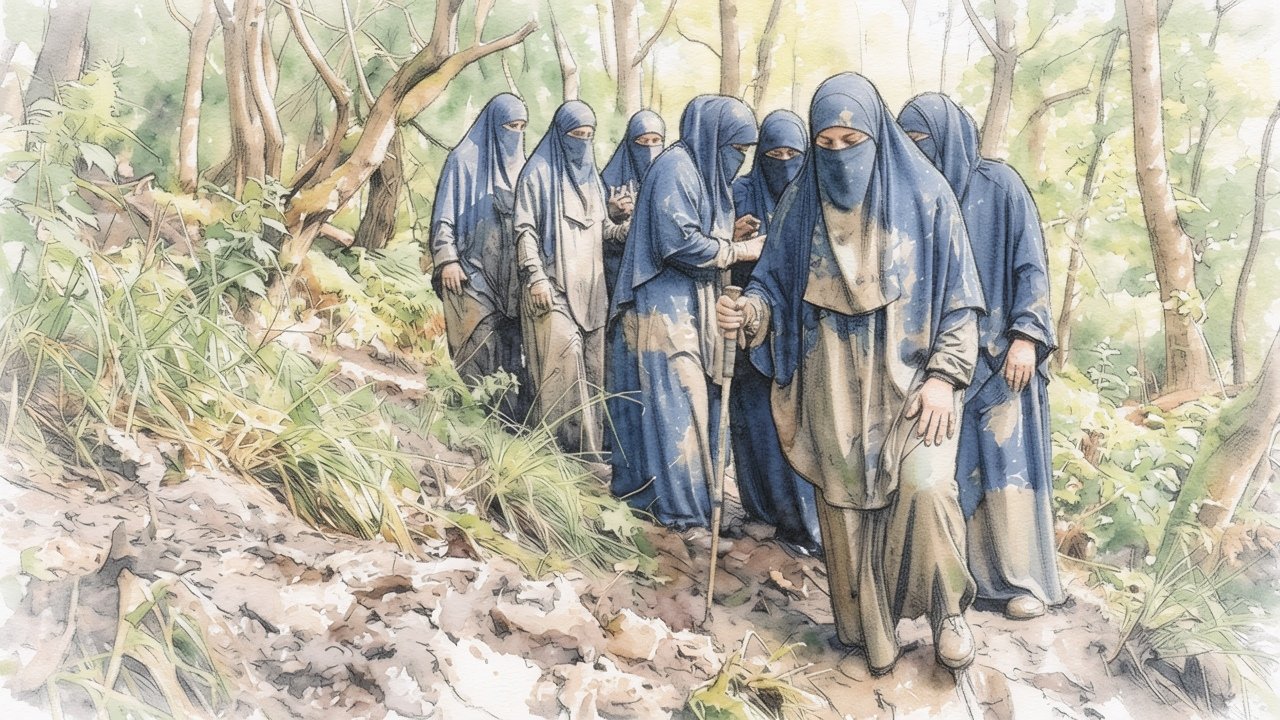
If professional assault courses aren’t available or within budget, you can create meaningful challenges using natural features and simple obstacles, which can be just as effective for building resilience and understanding refugee experiences.
However, this will mean moderating your approach to the challenge, in favour of safety. This approach requires much more planning, to ensure participants are not put at unnecessary risk. Wherever possible, we strongly recommend the use of professional, supervised venues.
When natural obstacles work well
For smaller, close-knit groups
- Family and friends who know each other’s capabilities well
- Community groups with experienced outdoor leaders
- Groups where everyone understands and accepts the DIY approach
- When budget constraints make professional venues impossible
Advantages of natural approaches
- Much lower cost than professional venues
- Can be incorporated into your walking route
- More flexibility about timing and approach
- Opportunity for creative problem-solving
- Can be more intimate and personal experience
Limitations to consider
- Requires more safety planning and responsibility
- Limited by natural features available in your area
- Weather dependent with fewer backup options
- Need experienced leaders comfortable with outdoor risk management
- May not provide the same level of challenge as professional courses
Types of natural obstacles
Water-based challenges
- Stream crossings requiring balance and care
- Shallow pond wading (only if you can confirm depth and safety)
- Muddy ditch navigation
- Small waterfall areas for washing off mud
Safety considerations:
- Check depth, current, and water quality.
- Check the weather: streams can become dangerous rivers in heavy rain!
- Have rope or assistance available.
- Never use deep or fast-flowing water.
- If in doubt, leave it out!
Terrain-based obstacles
- Hill climbs requiring sustained effort
- Steep muddy slopes for controlled sliding
- Rocky areas requiring careful foot placement
- Dense woodland requiring navigation skills
Safety considerations:
- Check for loose rocks, hidden holes, or unstable ground.
- Ensure escape routes if conditions worsen.
- Think slopes, not cliffs!
Tree and log obstacles
- Fallen trees to climb over or under
- Log balancing challenges
- Tree climbing elements (low branches only)
- Natural tunnels through vegetation
Safety considerations:
- Check logs are stable and won’t roll.
- Avoid heights above safe falling distance.
- Check for sharp branches or hazards.
Natural shelter challenges
- Building simple shelters from natural materials
- Finding natural windbreaks and rest areas
- Using landscape features for protection from elements
- Working together to overcome navigation challenges
Creating simple obstacles
Using basic materials safely
If adding simple constructed elements:
- Rope courses between trees (low height only)
- Simple balance beams using stable logs
- Crawling challenges under ropes or nets
- Basic climbing elements using secure anchor points
Safety requirements for constructed obstacles
- Qualified person to assess anchor points and stability
- Height restrictions (generally under 6 feet)
- Proper equipment rated for human loads
- Regular inspection before and during use
- Clear safety briefings for all participants
Route planning with natural obstacles
Integrating challenges into your walk
- Plan route to include varied natural terrain
- Build in obstacle challenges at appropriate points
- Use natural features as rest and reflection points
- Create opportunities for group problem-solving
Pacing and energy management
- Place more demanding obstacles earlier when energy levels are higher
- Use challenging terrain to create natural rest breaks
- Build in easier sections between difficult challenges
- Plan finale that brings group together for shared achievement
Safety planning for natural obstacles
Risk assessment essentials
- Walk route multiple times in different weather conditions
- Identify all potential hazards and plan mitigation
- Check emergency access for each section of route
- Plan communication and evacuation procedures
Weather contingencies
- Have alternative routes if conditions become dangerous
- Plan for surfaces becoming more slippery when wet
- Identify shelter points along route
- Know when to modify or cancel activities
Group safety management
- Ensure experienced leaders familiar with outdoor risk management
- Have qualified first aid cover throughout
- Plan appropriate supervision ratios
- Create buddy systems for mutual support
Essential safety equipment
Group safety kit
- Comprehensive first aid supplies for outdoor activities
- Rope or webbing for assistance and safety
- Emergency shelter materials
- Communication devices (mobile phones, whistles)
- Emergency food and water beyond normal supplies
Personal equipment guidance
- Appropriate footwear with good grip and ankle support
- Clothing suitable for getting muddy and potentially torn
- Personal first aid supplies and any required medications
- Emergency contact information carried by each participant
Working with landowners
Permission and access
- Always get written permission for private land use
- Understand any restrictions or limitations
- Respect farming activities and wildlife
- Follow leave-no-trace principles
Insurance considerations
- Check your insurance covers DIY obstacle activities
- Understand liability arrangements with landowners
- Have clear emergency procedures landowners can understand
- Document safety planning for insurance purposes
Educational integration
Using natural challenges meaningfully
- Connect each challenge to aspects of refugee experiences
- Use natural rest points for discussion and reflection
- Encourage problem-solving that mirrors refugee resilience
- Help participants understand how landscape affects journey experiences
Reflection opportunities
- Beautiful viewpoints for contemplating displacement experiences
- Challenging terrain for understanding journey difficulties
- Natural shelters for discussing refugee accommodation experiences
- Water sources for appreciating access to clean water
Budget-friendly approaches
Minimal cost options
- Use entirely natural features requiring no additional equipment
- Partner with experienced outdoor groups who have equipment
- Borrow or hire basic safety equipment only
- Focus on teamwork and problem-solving rather than equipment-intensive challenges
Community resource sharing
- Connect with Scout groups or outdoor clubs for equipment loans
- Share costs with other community groups planning similar events
- Develop relationships with local outdoor enthusiasts who can provide guidance
- Use community networks to find experienced volunteer leaders
When to choose professional alternatives
Situations requiring professional facilities
- Groups including many inexperienced outdoor participants
- Desire for more structured and challenging obstacle courses
- Limited availability of experienced outdoor leaders in your community
- Concerns about insurance or liability for DIY approaches
Hybrid approaches
- Combine natural challenges during walking route with professional assault course
- Use natural obstacles for warm-up or cool-down activities
- Incorporate simple natural challenges into longer professional venue experiences
- Plan progressive series of events building from natural to professional challenges
Learning and improvement
Documenting what works
- Keep detailed records of successful natural obstacle routes
- Note seasonal variations and their impact on challenges
- Record participant feedback about different natural features
- Build library of tested approaches for different conditions
Sharing with community
- Connect with other groups interested in similar approaches
- Share successful routes and safety planning approaches
- Learn from others’ experiences with natural obstacle challenges
- Build network of communities supporting each other’s events
Legal and insurance considerations
Liability and responsibility
- Understand your legal responsibilities as organiser
- Ensure appropriate insurance coverage for activities
- Have clear participant agreements about risk acceptance
- Know when professional guidance or facilities are required
Emergency planning
- Have clear procedures for serious injuries or emergencies
- Know how to direct emergency services to your locations
- Plan communication with emergency contacts and families
- Understand when to modify or abandon activities for safety
Natural obstacles can provide meaningful and challenging experiences when planned and executed thoughtfully. The key is honest assessment of your group’s capabilities, thorough safety planning, and realistic expectations about what you can achieve safely.
Start with simpler approaches and build experience gradually. Some community groups find that natural obstacles, while requiring more planning, create more intimate and personally meaningful experiences than professional venues. However, if you are not confident, it is always preferable to use supervised venues.
The most important thing is ensuring participant safety while creating opportunities for growth, reflection, and connection to the experiences of refugees who must overcome natural and man-made obstacles in their journeys to safety.