Overview
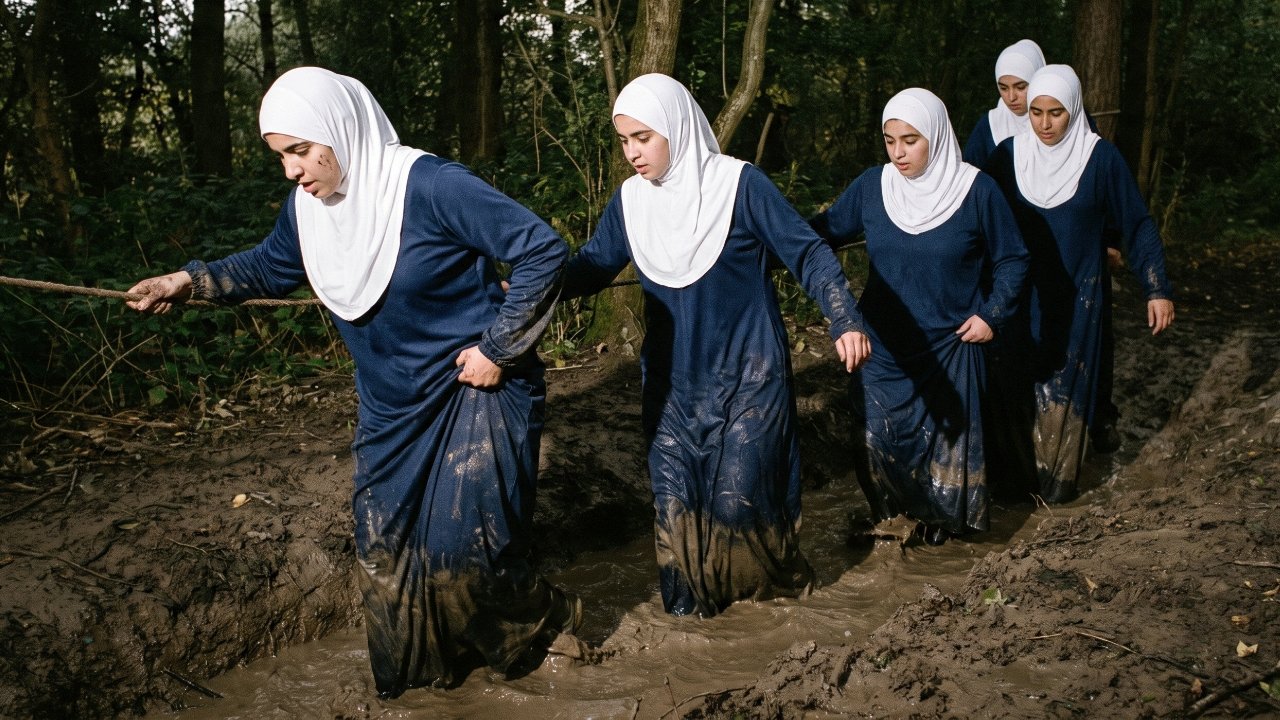
The Muddy Madrasah adaptation provides a daytime, spring/summer version of the minimal-resource Trials & Tribulations framework for madrasahs and community organisations. This version emphasises deliberate outdoor reflection, creating powerful refugee empathy through intentional messiness and discomfort.
By transforming an ordinary madrasah session into a mud-filled adventure followed by outdoor reflection, this version demonstrates that meaningful empathy development can happen through simple, locally-accessible activities that cost virtually nothing.
Key differences
How this differs from the main Trials & Tribulations challenge.
Daytime mud-focused experience
- Spring/summer timing: Better weather allowing extended outdoor activity
- Muddy activities: Walking and crawling through muddy ditches as primary activity
- Outdoor reflection: Post-activity discussion in natural setting rather than returning indoors
- Extended messiness: Students remaining muddy throughout reflection and return home
- Natural terrain emphasis: Using farm ditches, muddy fields, and natural obstacles
Minimal resource approach maintained
- Local farm or park: Free or low-cost access to muddy outdoor space
- Walking distance: Ideally accessible on foot from madrasah
- Volunteer supervision: Parents and teachers rather than professional staff
- Basic equipment: Minimal supplies and no specialised gear
- After-madrasah timing: Addition to regular Friday evening session
Core empathy elements preserved
- Physical discomfort: Extreme mud creating genuine challenge and distress
- Refugee connections: Mud and difficult terrain mirroring displacement journeys
- Islamic framework: Gratitude, resilience, and empathy teachings throughout
- Community support: Students helping each other through messy challenges
- Lasting impact: Returning home muddy as conversation starter with families
Distinguishing from nighttime trek
- Visibility: Daylight allowing fuller appreciation of mud and terrain
- Temperature: Warmer conditions but with different discomfort (heat, sweat, sticky mud)
- Activity intensity: More active mud games and crawling challenges
- Outdoor conclusion: Reflection happens in nature rather than madrasah building
The experience structure
Phase 1: Normal madrasah session and departure
Building to outdoor adventure
Phase 2: Muddy activities
Physical challenge and empathy building
Phase 3: Outdoor reflection and integration
Processing experience in natural setting
Phase 4: Muddy return home
Extending impact beyond event