Overview
“His mother carried him with hardship and gave birth to him with hardship.” (Quran 46:15)
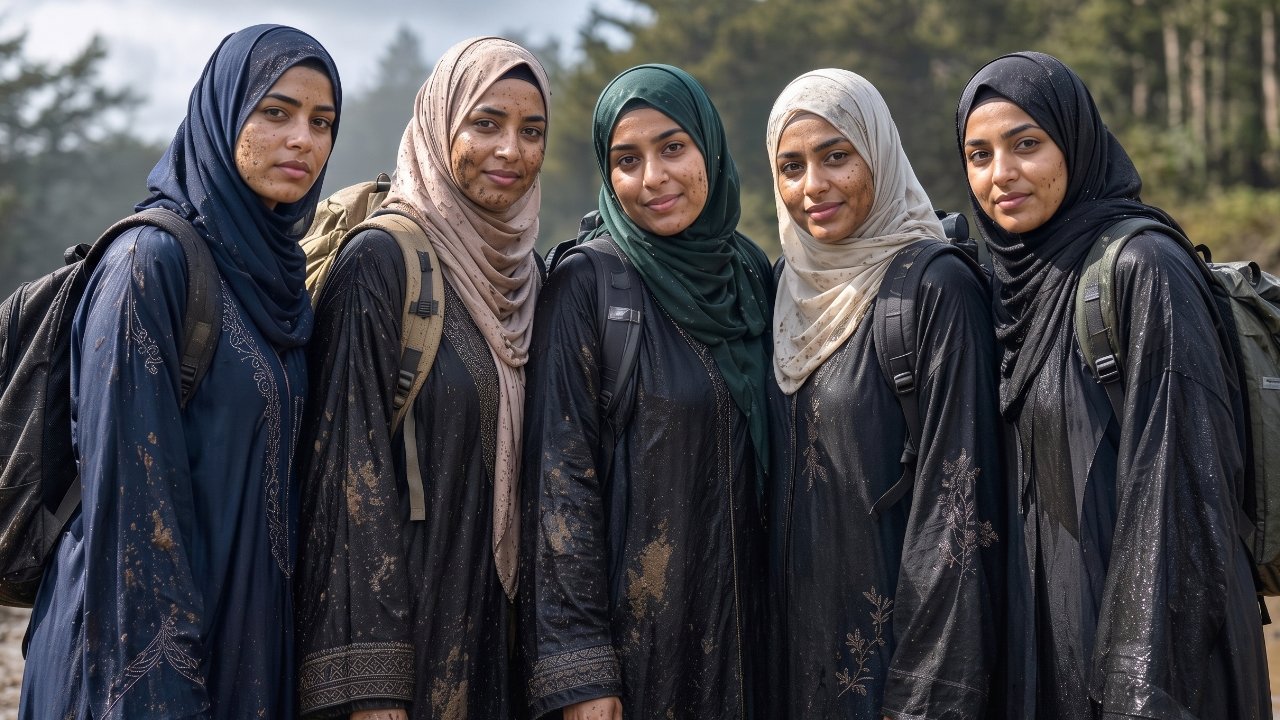
Tough Mother: zero to hero is a challenge for women. Over one evening and one long day, a group of mums takes on a dawn walk through the city, a trek through the countryside and a muddy assault course, then walk back through the course, tired and muddy, to the finish. Along the way they share a plain meal, served as an aid agency would serve it, and hear first-hand from the charity about the people the day is for.
The name of the challenge nods to Tough Mudder, and like that event it promises a hard day and means it.
The mood is serious but warm. This is not a day out. It asks mums to be uncomfortable, to look after one another and to listen.
Who this blueprint is for
This blueprint is designed for organisers at medium-sized and larger charities. Think of an NGO with national or international reach, a fundraising or events team, and a network of volunteers and supporters.
That is deliberate. Tough Mother is one of the more complex challenges. It runs over a night and a day, across two venues, with an assault course, a water crossing, minibuses, professional guides and thirty to fifty participants. Doing it well takes experience, and the means to work with outside providers.
It suits you best if you have:
- an events or fundraising team, or a staff lead who can run a project of this size over several months;
- a volunteer network from which to recruit helpers, and a trusted way to reach the community;
- safeguarding, health and safety and insurance arrangements already in place;
- a giving platform and a finance team that can handle Gift Aid and donor trust;
- the confidence to contract and manage third parties, such as a course provider, a venue and a minibus company;
- standing in local communities, so that madrasahs and mosques will welcome you and nominate their mums.
If you are a smaller charity or community group, this may be more than you need to take on alone. You could partner with a larger charity that leads the logistics, or choose one of the simpler blueprints on this site. That is a question of scale, not of ability.
The idea in brief
Most of the mums who take part have never done anything like this. Many are unsure at the start. That is the “zero”.
The “hero” is what they find out about themselves. They carry a rucksack through mud and cold water. They help a friend over a wall. They keep going when they want to stop. Their families and the people they raise money for see what these women are made of.
Every part of the challenge echoes something in a refugee’s journey:
- The night on the floor echoes arriving somewhere with nowhere soft to lie down.
- The walks echo long journeys on foot.
- The muddy course echoes borders, rivers and barriers that keep coming.
- The plain meal echoes what aid agencies are able to provide.
- The lake crossing echoes the water that so many refugees have to cross.
- The long way back echoes that there is rarely a clear moment when the hardest part is over.
None of it is the real thing, but it is a small, honest step towards understanding.
Why it is built this way
Three decisions shape the design.
- It starts the night before. Everyone arrives, eats, hears from the charity and sleeps on site. This makes the day feel like a journey from the first moment.
- It is a real challenge. The course is the real course. Nothing is softened because the mums are women, or because they are wearing abaya and hijab.
- It shows the charity’s work. The evening dinner and the mid-day talk let the mums meet the people behind the cause. They understand where their effort and their sponsors’ money will go.
How the groups work
The challenge works with three to six groups of about ten mums, each group coming from one madrasah. Each group has its own guide, who is a trained female fitness instructor. The guide stays with her group from the evening before until the minibus home.
It is a ladies-only challenge. Everyone taking part is a woman, and wherever possible so are the guides, instructors, marshals and drivers. When you book, ask each venue and supplier for female staff.
The challenge at a glance
The times below are a guide. They assume Fajr (the dawn prayer) at about 5:00am, so move them to suit your date. You will also fit the other prayers around them.
| Part | When | Where | The heart of it |
|---|---|---|---|
| 1. The night before | Friday, 6:30pm to 10:30pm, then the night | A community centre or school hall | Dinner, the charity’s story, meeting your guide, a night on the floor |
| 2. The journey | Saturday, 4:45am to 8:30am | The hall, city streets, minibus | Rising for Fajr, breakfast, a dawn walk, travelling together |
| 3. Tiring trek | 8:30am to 10:15am | Countryside near the course | A long walk at the pace of the slowest |
| 4. First trials | 10:15am to 12:00pm | The assault course | Mud, water and barriers, with a rucksack on your back |
| 5. Meal and reflection | 12:00pm to 1:15pm | The course | Aid-style meal, Dhuhr prayer and the charity’s talk |
| 6. Onward journey | 1:15pm to 2:45pm | The assault course | Harder obstacles, tired legs, leaning on each other |
| 7. The crossing | 2:45pm to 3:15pm | The lake | The wade, and what it means |
| 8. The long way back | 3:15pm to 4:30pm | The course and nearby woodland | A last, tired trek back to where you began |
| 9. Relief | 4:30pm to about 7:00pm | The course, then the minibus | Warm clothes, reflection, certificates and home |
A word on humility
No weekend in the countryside can reproduce displacement, and nobody involved should suggest that it does.
Every mum here has said yes. She knows the route, the finish time and where her next hot meal is coming from. A displaced mother has none of that certainty, and no minibus waiting at the end.
Treat the day as a way of learning, not a measure of suffering. The floor, the mud and the plain meal are there to prompt questions and to turn sympathy into something firmer.
Hold one more thing in view: the women this challenge stands beside are resourceful, funny and capable, and they had full lives before they were uprooted. Say so, and often.
How to use this blueprint
This blueprint is written for the organising team. Read it once from start to finish, then hand each helper only the parts that concern them.
Nothing in this challenge is kept secret. Share the whole blueprint with the mums if you wish. They should know exactly what they are signing up for.
| Who | Share with them | Why |
|---|---|---|
| Group guides | Everything | They lead their groups from the night before to the minibus home. |
| Venue staff and instructors | Parts 3 to 9, and “Remove barriers, not challenge” | They run the course and must support the guides’ approach. |
| Minibus leads and drivers | Parts 2, 3 and 9 | They keep the day to time. |
| The charity speakers | Parts 1 and 5 | They give the evening presentation and the mid-day talk. |
| Madrasah leaders | The information pack, and the full blueprint if they ask | They nominate the mums and speak for the challenge in their community. |
| Mums | Everything | They choose to take part, and they choose it knowing. |
Hold three things firm: a sincere intention, a clear cause, and the safety and dignity of every woman involved. The rest is yours to shape around your charity, your groups and your venues.